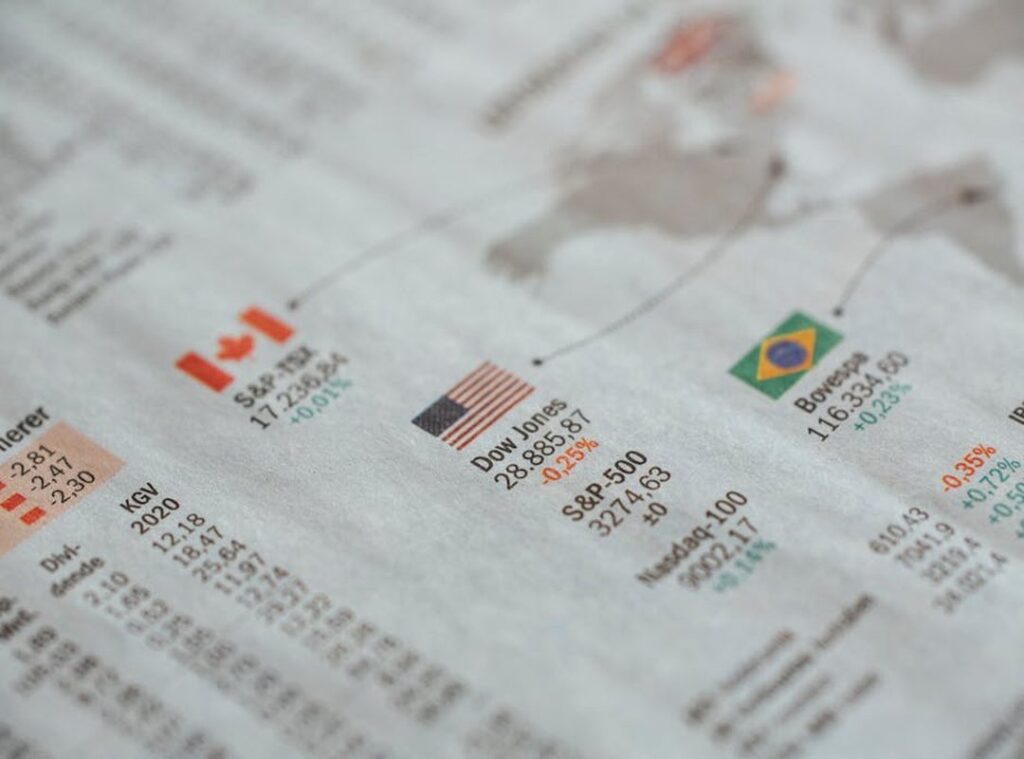
Feeling overwhelmed by the chaos of geopolitics global investments? You’re not alone. It’s a tangled web, right?
Everyone’s got an opinion, but what’s the real deal here? I dive into this swirling mess to give you something solid. The constant shifts and turns in global politics can make your head spin.
And when these shifts affect investments, it’s a nightmare for anyone trying to keep up.
I’ve been there, felt that confusion. But it doesn’t have to be this way. We’ll cut through the noise to see what really matters.
How does Asia fit into all this? Why should you care about markets halfway around the world? We’ve tapped into serious resources, pulling from top analysts (not the kind hyped up on jargon).
By the end of this, you’ll understand how to get through these waters. You’ll know what to watch for and where to place your bets. Let’s make sense of this.
The Unbreakable Link: Why Geopolitics Dictates Market Moves
You might think of geopolitics as the stuff of history books, but it’s very much alive and kicking in today’s markets. In the world of geopolitics global investments, international relations mean everything. They’re not just about politicians shaking hands or frowning at each other across a table.
It’s about trade policies, treaties, and yes, even conflicts that shape our economic reality.
Think of it like a pond. Toss a rock in, and those ripples spread far and wide. A political decision in one country can send shockwaves through global markets.
When there’s global uncertainty, currencies like the dollar get stronger. It’s like a safe harbor when storms hit. Oil prices?
They can shoot up during conflicts. And investor sentiment swings wildly between risk-on and risk-off.
Multinational corporations feel these waves too. They’re not immune. Supply chains get disrupted, market access can change overnight, and new regulations pop up out of nowhere.
This, in turn, hits their stock prices. It’s a tangled web, isn’t it?
So, when you’re navigating international markets confidence, keep an eye on the geopolitical space. It’s like watching the weather. You wouldn’t head out without checking the forecast, right?
The same goes for investments.
Pro tip: Stay informed. Read, watch, listen. Markets don’t move in isolation.
They’re part of a larger dance, choreographed by geopolitics. And trust me, missing a step can cost you.
Unpacking Headlines: Trade, Politics, and Conflict
Trade policies can feel like a maze. Take the US-China trade tensions. It’s a tangled web for sure.
Tariffs slapped on goods like electronics and steel set off a chain reaction. Companies on both sides felt the squeeze. Tariffs led to higher costs, which meant lower profits.
Apple’s profits took a hit because of the tariffs on Chinese components (and who wasn’t affected?). Even companies not directly involved in the trade spat got caught in the crossfire. Supply chains are like dominoes.
Knock one over, and others follow. You can’t underestimate how these policies shape corporate earnings.
Political stability is another wild card in this game. Think about elections in major emerging markets. Brazil and India come to mind.
Elections can shake up markets like a snow globe. Investors crave stability, not chaos. Markets hate uncertainty.
Politics introduces new leaders and policies, making future projections hazy. When Brazil elected a new president with promises of economic reform, stocks bounced around like balloons in a hurricane. It’s the guessing game that investors despise.
Predictability is gold; uncertainty is a risk, plain and simple.
Then there’s the messy world of international conflicts and sanctions. Take Russia and the sanctions imposed on it. Here’s how it plays out.
Energy markets are sensitive. Sanctions on Russia affected global oil prices in a real way. Companies tied to Russia had to face frozen assets.
Assets can’t be accessed, and losses mount. It’s a ripple effect that extends beyond borders. The global financial system doesn’t just shrug it off.
Financial markets react, and often negatively. Sanctions create ripple effects that span continents.
In all this chaos, understanding geopolitics global investments is key. Every headline is a potential shift in the market. And these shifts can affect portfolios across the board.
What does this all mean for you? Simple. Stay informed.
Know how trade policies, elections, and sanctions impact investments. It’s about being ready and anticipating these changes. After all, the world isn’t getting any less complicated.
Asia’s Role: Driving the Global Chessboard
Let’s face it. Asia isn’t just following global trends anymore. It’s steering them.

This shift is a game-changer for geopolitics global investments. For years, Asia was seen as the workshop of the world, but now it’s the architect. China, Vietnam, Malaysia.
They’re not just part of the supply chain. They’re redefining it. The geopolitical pressures have pushed companies to pivot, creating new corridors of opportunity.
Vietnam and Malaysia are the new hotspots. They’re not just Plan B. They’re the future.
But wait, there’s more. Regional trade blocs like RCEP and CPTPP are a big deal. They’ve made the economic environment stronger, potentially shielding member countries from bilateral squabbles.
These trade agreements tighten the weave of economic cooperation. They’re not just agreements on paper. They’re protective gear in this wild ride of global economics.
Why does this matter? Because it gives these countries a leg up. They’re not just surviving; they’re thriving.
Let’s talk money. Currencies of export-driven economies such as Japan’s Yen and South Korea’s Won dance to a different beat. They react to global risk in ways that the US dollar doesn’t.
What does this mean for you? If you’re an investor, it means options. Imagine holding assets in these currencies.
It’s like having a diversified playlist for your portfolio. They can offer unique advantages in times of global uncertainty.
Curious about comparing investment opportunities across borders? This shift in power dynamics is your key. Asia’s rise isn’t just a trend.
It’s the new reality. When the music stops, where will your investments be standing? Keep an eye on Asia.
They’re not just part of the orchestra; they’re conducting it.
Investing with a Geopolitical Edge: Strategies That Matter
Understanding geopolitics global investments is not just about picking international stocks. You need to grasp the political risk profile of each region. Think beyond borders.
Geographic diversification is key, but don’t just scatter investments across continents. Dive into the political dynamics of each area. Are you paying attention to how these affect your portfolio?
Stay informed, but avoid drowning in sensationalist media. Stick to reputable financial news and think tank reports. They provide clarity without overwhelming you.
Trust me, it’s a sanity saver.
Ever heard of ‘hedging’ against geopolitical risks? Gold and certain currencies can be your safe haven. When the world is shaky, these assets hold their ground.
They’re not flashy, but they’re reliable.
Long-term perspective is your friend. Political climates shift like seasons. A well-built, diversified portfolio is designed to weather short-term storms.
Don’t freak out over every headline.
Pro tip: Keep an eye on Asia-centric market analyses. They often reveal trends others miss. Remember, investing isn’t just about money.
It’s about making informed choices.
Invest Smartly with Global Insight
Confused about how global news impacts your cash? You’re not alone. We’ve tackled your problem head-on, providing a clear path to use geopolitics global investments.
Ignoring international dynamics in today’s world? Not an option. Instead, adopt an informed plan.
Cut through the noise. Spot real risks and opportunities. Take action now: look at your portfolio through this geopolitical lens.
Want to stay ahead? You need ongoing analysis of global markets. Your next step?
Dive deeper into this approach. Stay informed. Stay proactive.
Evaluate your investments. Don’t wait until confusion turns into loss. Act now.
 Ask Gary Pacheconolo how they got into financial pulse and you'll probably get a longer answer than you expected. The short version: Gary started doing it, got genuinely hooked, and at some point realized they had accumulated enough hard-won knowledge that it would be a waste not to share it. So they started writing.
What makes Gary worth reading is that they skips the obvious stuff. Nobody needs another surface-level take on Financial Pulse, Global Investment Insights, Expert Breakdowns. What readers actually want is the nuance — the part that only becomes clear after you've made a few mistakes and figured out why. That's the territory Gary operates in. The writing is direct, occasionally blunt, and always built around what's actually true rather than what sounds good in an article. They has little patience for filler, which means they's pieces tend to be denser with real information than the average post on the same subject.
Gary doesn't write to impress anyone. They writes because they has things to say that they genuinely thinks people should hear. That motivation — basic as it sounds — produces something noticeably different from content written for clicks or word count. Readers pick up on it. The comments on Gary's work tend to reflect that.
Ask Gary Pacheconolo how they got into financial pulse and you'll probably get a longer answer than you expected. The short version: Gary started doing it, got genuinely hooked, and at some point realized they had accumulated enough hard-won knowledge that it would be a waste not to share it. So they started writing.
What makes Gary worth reading is that they skips the obvious stuff. Nobody needs another surface-level take on Financial Pulse, Global Investment Insights, Expert Breakdowns. What readers actually want is the nuance — the part that only becomes clear after you've made a few mistakes and figured out why. That's the territory Gary operates in. The writing is direct, occasionally blunt, and always built around what's actually true rather than what sounds good in an article. They has little patience for filler, which means they's pieces tend to be denser with real information than the average post on the same subject.
Gary doesn't write to impress anyone. They writes because they has things to say that they genuinely thinks people should hear. That motivation — basic as it sounds — produces something noticeably different from content written for clicks or word count. Readers pick up on it. The comments on Gary's work tend to reflect that.