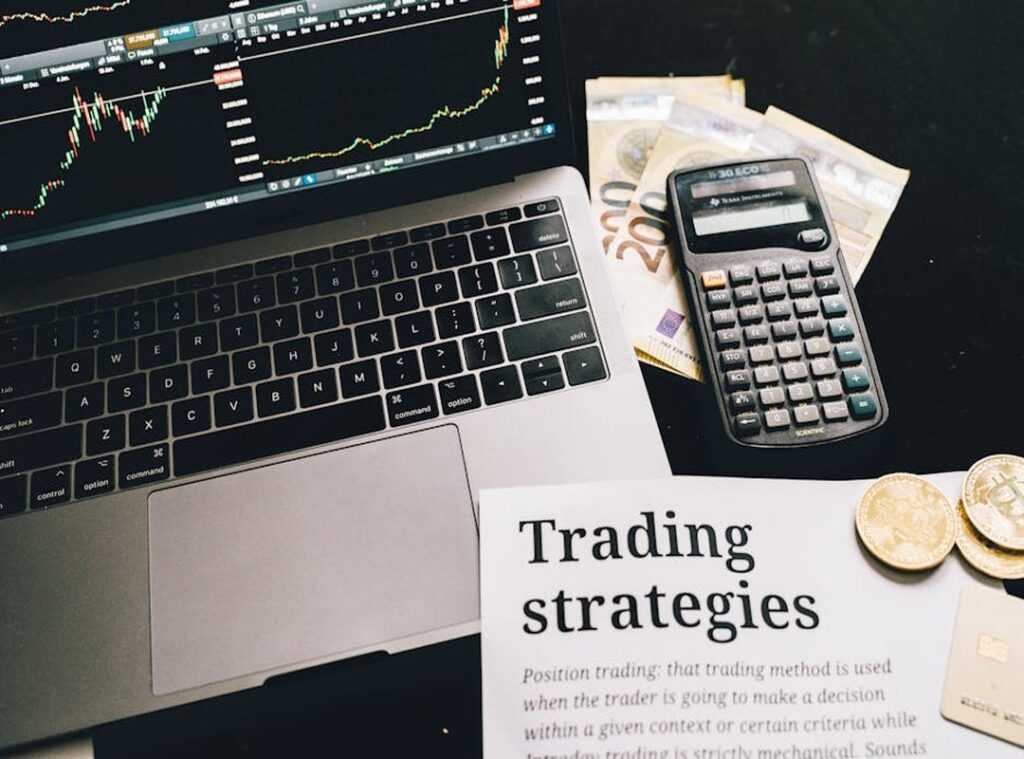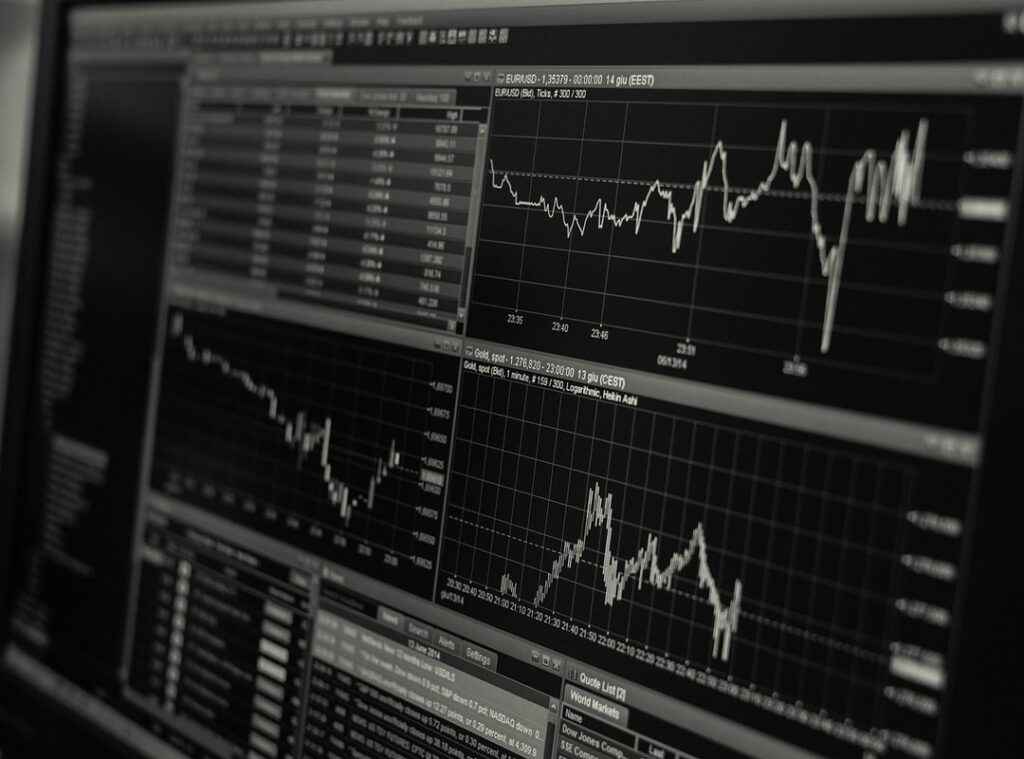
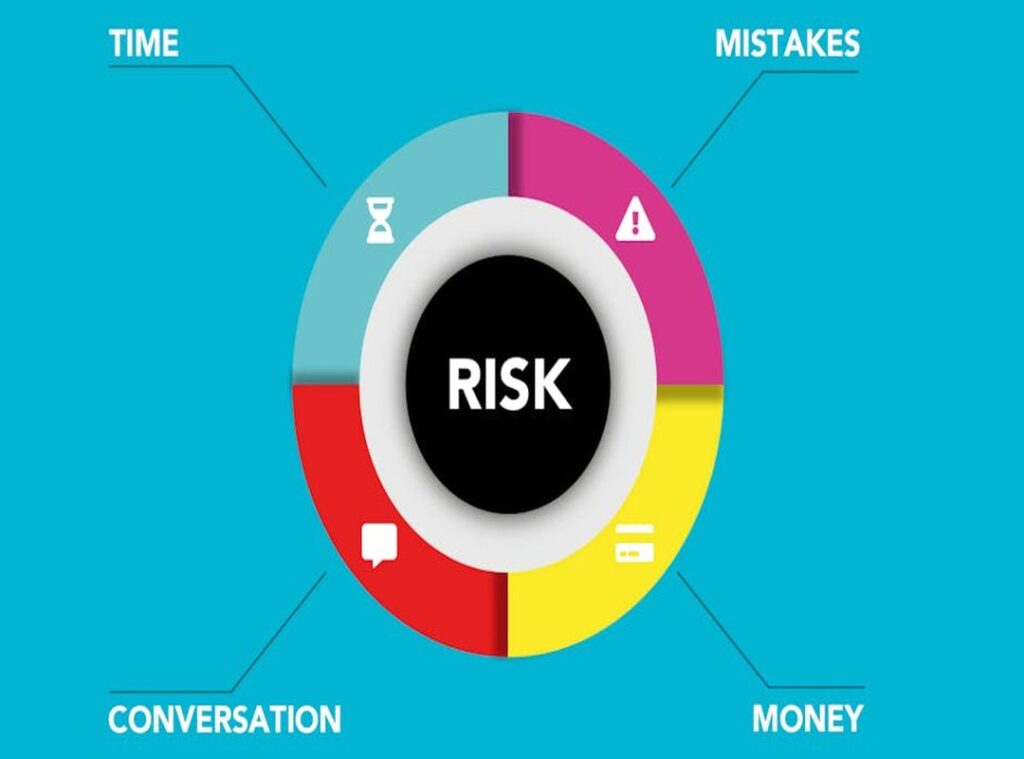
Ever felt the gut-wrenching panic when your trade tanks out of nowhere? It’s like watching a slow-motion car crash, wondering if you missed the memo. That panic is the enemy.
But what if I told you it doesn’t have to be this way? Years spent diving into both thriving trading desks and spectacular flops taught me one thing: oversight is everything. The difference between chaos and control is a solid system.
This article gives you a clear, actionable blueprint for risk management trading. Not just any blueprint. One that lets you protect your capital and trade with confidence.
Forget theory. This guide is built for the real-world market mess you face every day. Ready to go from reactive to proactive?
Let’s make it happen.
Deconstructing Trading Risk Oversight: Beyond the Buzzword
Trading risk oversight isn’t just a buzzword. It’s a full system of policies, procedures, and controls set up to identify, measure, monitor, and mitigate risks in trading. Think about it like this: while risk management trading involves executing specific actions like setting a stop-loss, oversight ensures these actions are applied consistently and effectively.
It’s the backbone of a stable trading environment.
So what risks are we talking about? Well, there’s market risk. Prices fluctuate, and volatility can be wild.
Remember when the USD/JPY exchange rate suddenly shifted? That’s a prime example. Then, there’s credit risk.
What if your counterparty defaults? That’s a risk you can’t ignore. Operational risk covers system failures and, yes, human error (it happens).
Let’s not forget fraud. Liquidity risk is another beast. Try exiting a position without causing a significant price impact, especially in certain emerging Asian markets.
Those markets have their unique liquidity challenges.
Does this sound complex? It is. But having this oversight protects the trading environment from chaos.
Without it, you’re sailing without a compass. Curious about how to integrate these takeaways into your plan? Consider how you can develop winning trading plan today.
In short, effective trading risk oversight is key. It’s not just about managing risks here and there. It’s about creating a solid system that governs the trading process.
Without it, you’re leaving too much to chance.
Unyielding Oversight: The Market’s Security Blanket
Oversight isn’t just a checkbox. It’s the backbone of risk management trading. Let me tell you about a fund that learned this the hard way.
They ignored a single, unmonitored exposure, thinking it was under control. But it wasn’t. The market shifted, and their position crumbled.
They lost millions overnight. Sounds familiar? Could it have been avoided?
Absolutely. That’s why oversight is non-negotiable.
When you have effective oversight, decision-making gets a shot of clarity. You see your risks, plain as day. This lets you allocate capital intelligently, sidestepping emotional trades that lead nowhere but down.
Remember, investing isn’t just about what you gain; it’s about what you don’t lose. That’s a pro tip right there.
Regulatory compliance is another area where oversight shines. Regulators in big financial hubs like Singapore and Hong Kong are tightening their grips. They see the need for more scrutiny, and so should you.
Stay compliant, and you’ll build investor trust. Lose it, and you’re on a slippery slope.
But let’s shift gears. Oversight isn’t just about avoiding disasters. It’s a competitive edge.
Traders with sharp oversight get through volatility like pros. They preserve capital when the market’s a mess and seize opportunities when others are pulling out. It’s like having a GPS in market chaos.
Curious about how to set up this? Check out risk management techniques for active traders. It’s a game-changer.
So, is oversight worth it? I’d say it’s indispensable. Without it, you’re playing in the dark.
And that’s no way to trade.
Trading Risk Oversight: Your Blueprint for Control
I’ve been in the trading trenches, and trust me, a solid risk management system is a lifesaver. First things first: define your risk appetite. Do you know what a risk appetite statement is?
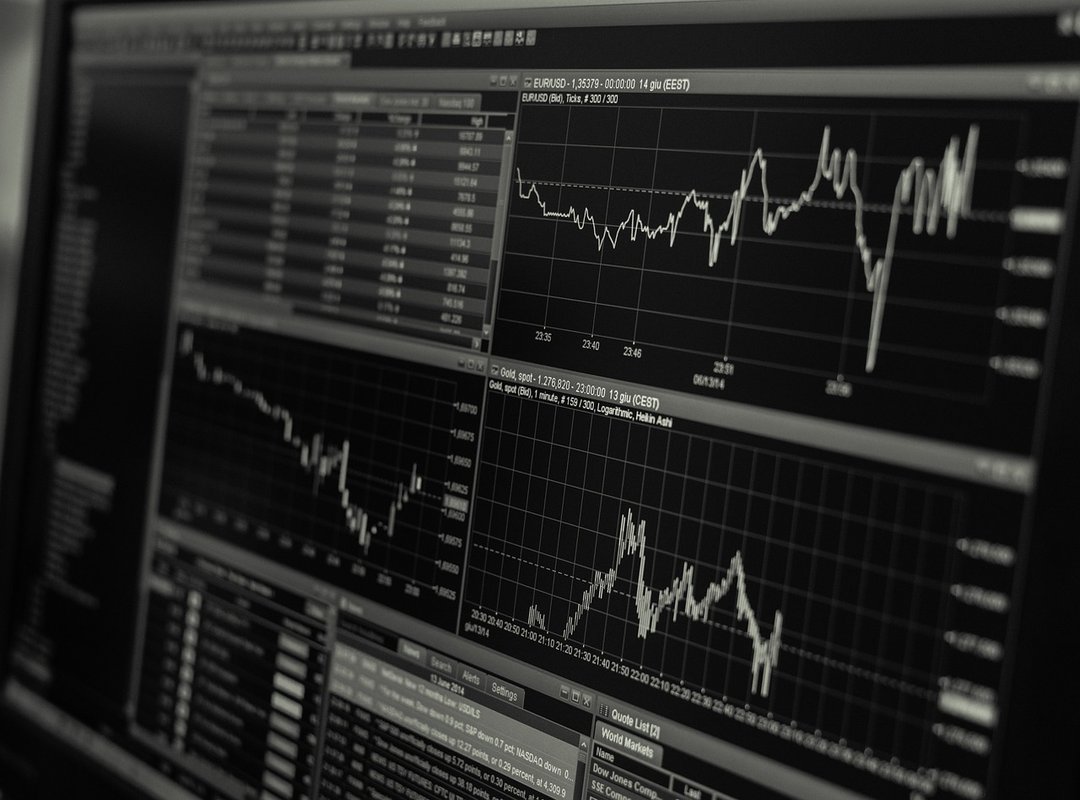
It’s the backbone of your entire plan. It’s like saying, “We won’t risk more than 2% of our total capital on any single trade.” If that sounds too basic, consider what happens without it. Chaos.
Next up, establish clear policies and limits. You can’t just wing it. Think position limits, value-at-risk (VaR) limits, drawdown limits, and sector or asset concentration limits.
If you’re wondering why these matter, imagine trying to get through a storm without a map. You’d be lost.
Then, set up a strong monitoring and reporting system. Daily or real-time risk reports aren’t optional; they’re important. These reports should include key metrics like P&L, VaR, and stress test results.
This might sound tedious, but have you ever had a surprise loss? It’s not fun. Reports keep you informed and ready.
But what if you cross a limit? your escalation process kicks in. Know who gets notified and what actions to take. This step often gets overlooked.
Trust me, ignoring it is like skipping insurance. Fine until you need it.
Finally, conduct regular reviews. Your system isn’t static. Quarterly or semi-annual reviews are a must to adapt to changing market conditions.
Remember, markets evolve. So should your plan. If you don’t, well, you may end up like Blockbuster in a Netflix world (obsolete.)
And just to round things off, let’s not forget the role psychology successful trading. It’s a topic that’s key in understanding behavioral influences in trading, directly impacting your risk management trading approach. Keep that in mind as you build your system.
Risk Oversight: Avoiding Common Traps
Risk management trading isn’t just about flashy algorithms or complex models. It’s about the human touch. Pitfall 1: Over-Reliance on Automation. Sure, tools are great, but they can’t replace human judgment. Imagine relying on a model to predict a geopolitical crisis.
It just doesn’t cut it.
Then there’s Pitfall 2: The ‘Set It and Forget It’ Mindset. It’s tempting to think, “I’ve set my risk parameters. I’m done.” Nope. A VaR model that works in calm seas might fail when the storm hits.
Constant review is non-negotiable.
Let’s talk about Pitfall 3: Ignoring Operational Risk. Many focus solely on market risk, forgetting about operational vulnerabilities. Ever considered what happens if a key employee leaves or a single tech platform crashes? It’s a disaster waiting to happen.
Lastly, Pitfall 4: A Culture of Fear. If traders are scared to report minor breaches, your oversight system is essentially blind. We need open discussions about risk without blame. Pro tip: Encourage transparency.
It’s key.
So, what’s the takeaway? Balance automation with human insight. Stay vigilant.
Build a culture of honesty. These aren’t just strategies. They’re important for navigating the treacherous waters of risk management trading.
From Knowing to Doing: Your Next Move
You’ve grasped the basics. Now it’s time to act. Trading without a safety net is risky.
Emotions and guesswork can cost you. But there’s a fix. This structured approach gives you a repeatable process to protect your capital.
Don’t let the market’s volatility catch you off guard. Take control with risk management trading. Start today.
Evaluate one part of your process using the blueprint here. It’s simple. That first step builds a more resilient trading future.
Why risk it? Make your move. Embrace the plan.
Secure your trading journey. Ready to transform your approach? Dive in now.
 Zyvaris Tornhaven has opinions about global investment insights. Informed ones, backed by real experience — but opinions nonetheless, and they doesn't try to disguise them as neutral observation. They thinks a lot of what gets written about Global Investment Insights, Expert Breakdowns, Practical Portfolio Optimization is either too cautious to be useful or too confident to be credible, and they's work tends to sit deliberately in the space between those two failure modes.
Reading Zyvaris's pieces, you get the sense of someone who has thought about this stuff seriously and arrived at actual conclusions — not just collected a range of perspectives and declined to pick one. That can be uncomfortable when they lands on something you disagree with. It's also why the writing is worth engaging with. Zyvaris isn't interested in telling people what they want to hear. They is interested in telling them what they actually thinks, with enough reasoning behind it that you can push back if you want to. That kind of intellectual honesty is rarer than it should be.
What Zyvaris is best at is the moment when a familiar topic reveals something unexpected — when the conventional wisdom turns out to be slightly off, or when a small shift in framing changes everything. They finds those moments consistently, which is why they's work tends to generate real discussion rather than just passive agreement.
Zyvaris Tornhaven has opinions about global investment insights. Informed ones, backed by real experience — but opinions nonetheless, and they doesn't try to disguise them as neutral observation. They thinks a lot of what gets written about Global Investment Insights, Expert Breakdowns, Practical Portfolio Optimization is either too cautious to be useful or too confident to be credible, and they's work tends to sit deliberately in the space between those two failure modes.
Reading Zyvaris's pieces, you get the sense of someone who has thought about this stuff seriously and arrived at actual conclusions — not just collected a range of perspectives and declined to pick one. That can be uncomfortable when they lands on something you disagree with. It's also why the writing is worth engaging with. Zyvaris isn't interested in telling people what they want to hear. They is interested in telling them what they actually thinks, with enough reasoning behind it that you can push back if you want to. That kind of intellectual honesty is rarer than it should be.
What Zyvaris is best at is the moment when a familiar topic reveals something unexpected — when the conventional wisdom turns out to be slightly off, or when a small shift in framing changes everything. They finds those moments consistently, which is why they's work tends to generate real discussion rather than just passive agreement.