You’ve heard the term “decentralized economy” a dozen times.
And you’re still not sure what it does for you.
Like that small business owner in Lagos (she) got paid in crypto at 2 a.m. No bank. No waiting.
Meanwhile, the legacy corporation across town is still waiting three days for wire clearance.
That’s not theory. That’s real.
This isn’t about blockchain buzzwords or whitepaper poetry. It’s about who controls money. Who sets the rules.
Who gets cut out (and) who finally gets in.
I’ve tracked DAO-governed cooperatives paying members weekly. Watched real-world assets. Like farmland and solar panels.
Turned into tradeable tokens. Seen community energy grids run by neighbors, not utilities.
You don’t need to understand consensus algorithms.
You need to know how this changes your access, your ownership, your options.
That’s why I wrote the dismoneyfied economy guide by diquantified.
No fluff. No jargon detours. Just clear cause-and-effect.
What shifts. Where power moves. Who benefits.
And how fast.
You’ll walk away knowing exactly where decentralization lands in your life. Not someday. Now.
The 3 Pillars That Actually Define a Decentralized Economy
A dismoneyfied economy isn’t just servers spread across countries. It’s not even just open-source code.
I’ve watched too many projects slap “decentralized” on a dashboard while running everything from one AWS account.
So let’s cut the noise.
Pillar one: distributed infrastructure. Think blockchain-based identity. Like verifying who you are without handing your passport to a bank.
Not “we moved our database to three data centers.” That’s still centralized control.
Pillar two: shared governance. Voting rights tied to participation. Not shares, not board seats.
If you can’t vote on protocol upgrades, it’s not shared governance. It’s theater.
Pillar three: permissionless value creation. Anyone can plug into open financial rails and build (no) application, no interview, no gatekeeper saying “no.”
Miss one pillar? The whole thing cracks. Distributed infrastructure without shared governance becomes extractive (looking at you, some DeFi treasuries).
Shared governance without permissionless creation is just a club with rules. No real economy.
And no. “open source” doesn’t mean decentralized. Neither does “distributed servers.”
You want proof? Read the dismoneyfied economy guide by diquantified.
It walks through real cases where two pillars were present. And why the third missing piece killed sustainability.
Does your favorite project check all three?
Or are you just trusting the logo?
Real People Are Already Doing It (Not) Waiting
I watched a farmer in Colombia get paid in USDC last week. Not pesos. Not after a bank delay.
Instantly. Via Celo. Setup took him 12 minutes and zero coding.
He doesn’t care about “blockchain.” He cares that his income doesn’t evaporate when the peso drops again. (Which it did. Twice this year.)
A freelancer in Berlin? She earns governance tokens for fixing bugs in an open-source tool. SourceCred tracks her contributions automatically.
No invoices. No PayPal fees. She cashes out when she wants.
Or votes with her tokens instead.
That’s dismoneyfied economy guide by diquantified in action: money isn’t just moving (it’s) reorganizing.
In Detroit, a neighborhood launched a DAO to buy vacant houses. Syndicate handled the legal scaffolding. They pooled $47,000 in under three days.
You can read more about this in investment guide.
No real estate agent. No title company middleman. Just shared ownership (and) shared repair schedules.
All three used no-code tools. All three got multilingual support. None of them wrote a single line of Solidity.
You think you need technical skills to participate? You don’t. You think it’s still theoretical?
It’s not. You’re already behind (not) because you’re slow, but because it started while you were reading the intro.
Most platforms cost nothing to start. Some charge small gas fees. Others are free forever.
The shift isn’t coming. It’s here. And it’s skipping the gatekeepers.
The Hidden Risks. And How to Get through Them Without Opting Out
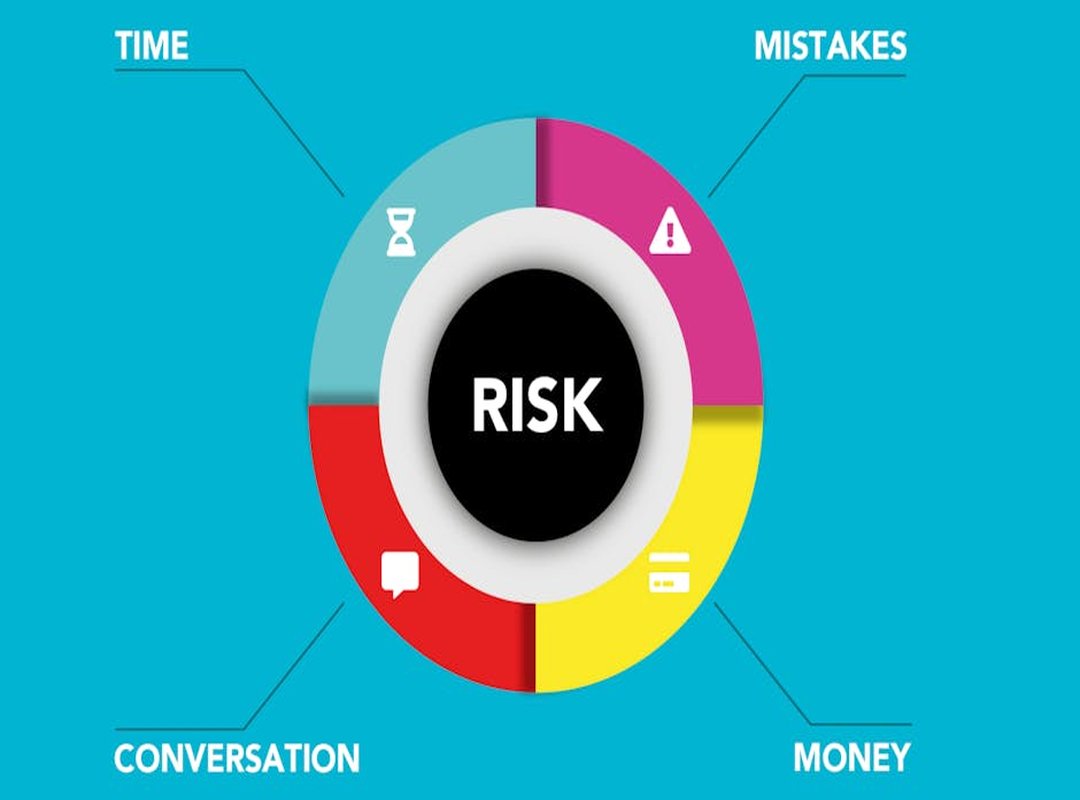
I’ve watched people lose real money (not) from price swings (but) from boring, fixable oversights.
Jurisdictional friction is one. You earn tokens across borders, and your tax software doesn’t know what to do with it. That gap isn’t theoretical.
It’s an audit trigger waiting to happen.
Key management fatigue? Real. Not “oh no I lost my seed phrase” theater.
But clicking “confirm” on the 17th wallet recovery in six months and fat-fingering a zero. Humans break under repetition.
Governance capture is quieter. Early insiders vote on everything while new contributors get ignored (even) after they’ve shipped real work. That’s not decentralization.
That’s dismoneyfied economy guide by diquantified territory.
Use ZenGo for self-custody. No seed phrase to misplace. Biometric recovery works.
Here’s how I fix each:
Try it before you launch your first DAO wallet.
Plug Koinly into every exchange and wallet. It auto-tags cross-border token income by jurisdiction. Saves hours.
And avoids penalties.
Demand time-locked voting power. New members start with 5% weight, scaling up over 90 days. Stops early whales from locking in control forever.
Volatility isn’t the risk here. It’s expected. It’s baked in.
What is risky is ignoring stablecoin rails (USDC) payouts cut FX exposure in half.
Before you join a DAO or earn in tokens. Ask these 3 questions:
Who controls the multisig? Where does my tax data land?
When do my votes actually count?
The investment guide dismoneyfied walks through all three. I used it before my first token payout. Saved me two IRS letters.
Free Tools That Don’t Lie to You
I tried all five. None asked for my wallet. None made me sign up.
Bankless Academy gives you structured learning paths on DeFi basics. 5-minute setup. English only. Mobile-friendly.
It’s the closest thing to a real syllabus (not) just hype slides.
Commonstack shows how contributor rewards actually work. 10-minute walkthrough. English only. Mobile-friendly.
You’ll see real payouts, not theoretical tokenomics.
Snapshot.org? Watch live governance votes in real time. Zero setup.
English only. Mobile-friendly. No wallet needed.
Just open and scroll.
Tokenomist is a free dashboard for token utility and inflation. 3-minute setup. English only. Mobile-friendly.
Pair it with Snapshot to see how a vote might move supply.
The Diquantified Glossary is searchable, plain-language, updated weekly. 1-minute setup. English only. Mobile-friendly.
I check it before every call.
None of these need your seed phrase. None track you. None gate content behind email.
That’s rare.
The dismoneyfied economy guide by diquantified starts here (not) with jargon, but with working tools.
You’re still wondering whether any of this applies to your taxes.
You Already Belong Here
I know you scrolled past the jargon. You thought decentralization was for coders or crypto bros. It’s not.
This isn’t about tearing down banks. It’s about building one thing that works where your current system doesn’t. A vote.
A co-op share. A wallet with $5 and a purpose.
The dismoneyfied economy guide by diquantified doesn’t ask you to understand everything first. It asks you to do one thing. Right now.
Pick one action from the toolkit. Watch that Bankless video. Cast that Snapshot vote.
Google your local co-op + “tokenization”. Do it within 24 hours.
You’ll feel different after. Lighter. Less stuck.
Because you just proved it’s possible. Without waiting for permission.
You don’t need permission to participate. You only need clarity on where to begin.
 Ask Gary Pacheconolo how they got into financial pulse and you'll probably get a longer answer than you expected. The short version: Gary started doing it, got genuinely hooked, and at some point realized they had accumulated enough hard-won knowledge that it would be a waste not to share it. So they started writing.
What makes Gary worth reading is that they skips the obvious stuff. Nobody needs another surface-level take on Financial Pulse, Global Investment Insights, Expert Breakdowns. What readers actually want is the nuance — the part that only becomes clear after you've made a few mistakes and figured out why. That's the territory Gary operates in. The writing is direct, occasionally blunt, and always built around what's actually true rather than what sounds good in an article. They has little patience for filler, which means they's pieces tend to be denser with real information than the average post on the same subject.
Gary doesn't write to impress anyone. They writes because they has things to say that they genuinely thinks people should hear. That motivation — basic as it sounds — produces something noticeably different from content written for clicks or word count. Readers pick up on it. The comments on Gary's work tend to reflect that.
Ask Gary Pacheconolo how they got into financial pulse and you'll probably get a longer answer than you expected. The short version: Gary started doing it, got genuinely hooked, and at some point realized they had accumulated enough hard-won knowledge that it would be a waste not to share it. So they started writing.
What makes Gary worth reading is that they skips the obvious stuff. Nobody needs another surface-level take on Financial Pulse, Global Investment Insights, Expert Breakdowns. What readers actually want is the nuance — the part that only becomes clear after you've made a few mistakes and figured out why. That's the territory Gary operates in. The writing is direct, occasionally blunt, and always built around what's actually true rather than what sounds good in an article. They has little patience for filler, which means they's pieces tend to be denser with real information than the average post on the same subject.
Gary doesn't write to impress anyone. They writes because they has things to say that they genuinely thinks people should hear. That motivation — basic as it sounds — produces something noticeably different from content written for clicks or word count. Readers pick up on it. The comments on Gary's work tend to reflect that.