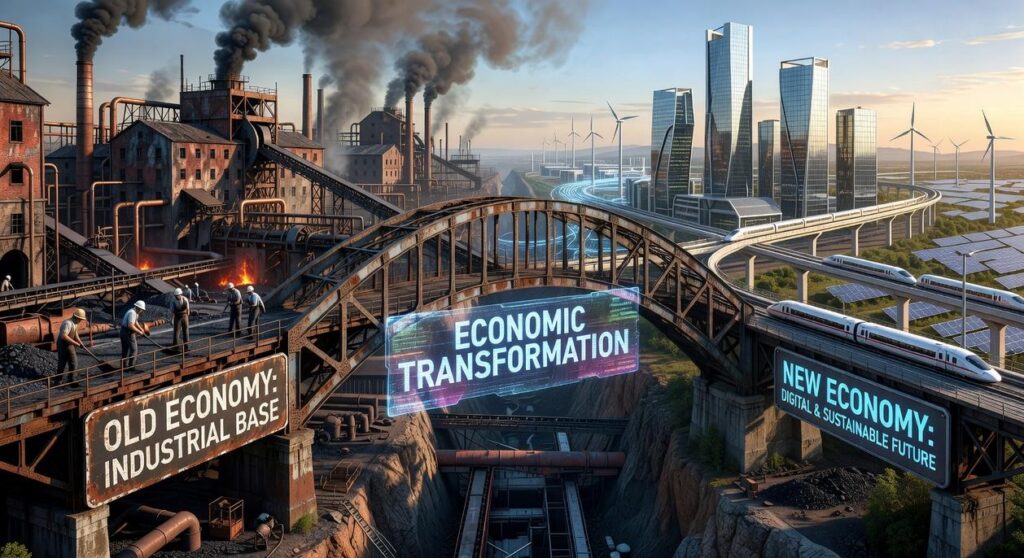
China’s economy is undergoing one of the most significant structural transformations of the modern era. china economic rebalancing marks a decisive shift from an export- and investment-driven growth model toward one powered by domestic consumption and services.
If you’re investing or trading in Asian markets, this transition isn’t just a headline—it’s a force reshaping capital flows, sector performance, and risk dynamics. Yet many global investors still misread the signals, reacting to short-term data without understanding the long-term structural pivot underneath.
This analysis draws on years of specialized, on-the-ground observation of Asia-centric market trends to cut through the noise. We’ll break down the core pillars of this transition, identify emerging winners and losers, and outline a practical framework to help you position your portfolio with clarity and confidence.
Identifying the Tectonic Shifts: Key Drivers of the New Economic Structure
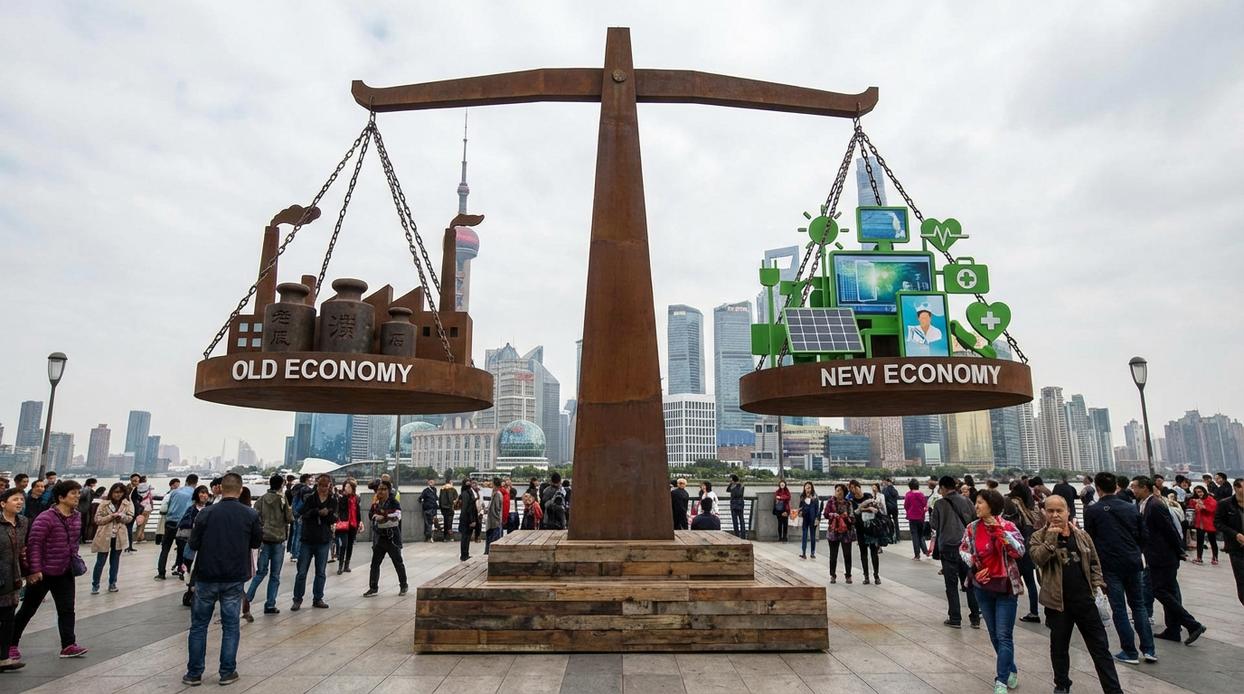
China’s economic model is undergoing structural change—not a tweak, but a redesign. Think of it as moving from a factory-floor economy to a lab-and-living-room economy.
The “Dual Circulation” Strategy: Internal vs. External Engines
Dual Circulation refers to a policy framework prioritizing internal circulation (domestic production, distribution, and consumption) while maintaining external circulation (global trade and investment).
Old Model (A): Export-led growth, heavy reliance on foreign demand.
New Model (B): Domestic demand as the primary engine, with trade as support.
Critics argue China can’t decouple from global markets without sacrificing growth. Fair point—exports accounted for roughly 20% of GDP in recent years (World Bank). But the pivot isn’t isolation; it’s insulation. The goal is resilience (think shock absorbers, not walls).
From “Made in China” to “Created in China”
This shift targets high-tech manufacturing—semiconductors, AI, EVs—to climb the global value chain (the hierarchy of production from low-cost assembly to high-margin innovation).
A: Low-cost manufacturing.
B: Intellectual property and advanced tech leadership.
Skeptics point to chip restrictions as barriers. Yet China leads globally in EV production and battery supply chains (IEA). Constraint often accelerates innovation (necessity, meet invention).
The Rise of the Chinese Consumer
Boosting household disposable income and expanding social safety nets aims to reduce precautionary savings—money saved out of fear of medical or retirement costs.
A: Investment-heavy growth.
B: Consumption-driven expansion.
Unlocking spending is central to china economic rebalancing.
Green Development and Decarbonization
Massive investment in renewables positions China as both climate actor and supply-chain leader.
A: Coal dependency.
B: Solar, wind, and EV dominance.
China installs more renewable capacity annually than any other country (IEA). Economic strategy and geopolitics now share the same power grid.
The Long-Term Outlook for a Rebalanced China
China’s transition is not a short-term adjustment—it’s a structural transformation. The era of breakneck GDP expansion driven by property and heavy industry is giving way to china economic rebalancing centered on innovation, advanced manufacturing, and domestic consumption.
You came here to understand what this shift really means for the long term. The reality is clear: navigating today’s market requires looking beyond outdated growth headlines and focusing on the deeper structural evolution underway.
The pain point for investors is misalignment. Portfolios built around the “old China” risk missing the momentum building in policy-backed sectors tied to technology, green energy, high-end manufacturing, and consumer innovation.
The opportunity lies in positioning early. Re-evaluate your Asia exposure. Trim legacy-sector risk. Increase allocations to industries aligned with Beijing’s long-term priorities.
Markets reward those who adapt before the narrative fully changes. If you want sharper Asia-focused insights and proven strategies to stay ahead of this transition, start optimizing your portfolio today with data-driven guidance trusted by active global investors.