
Markets across Asia and beyond are shifting faster than many investors can react. If you’re searching for clear, actionable insights on today’s trading landscape, this article is built for you. We break down the latest financial pulse updates, uncover emerging opportunities in key Asian markets, and translate complex global developments into practical portfolio strategies.
A major driver of volatility right now is geopolitical risk in investing, from trade tensions and policy realignments to regional security concerns that can quickly ripple through currencies, commodities, and equities. Understanding how these forces interact with market fundamentals is essential for protecting capital and positioning for growth.
This guide combines real-time market monitoring, macroeconomic analysis, and tested trading frameworks to help you make informed decisions. Whether you’re refining your short-term trades or optimizing a long-term portfolio, you’ll gain clear, data-driven insights designed to align with today’s global investment realities.
Navigating the Intersection of Politics and Portfolios
In today’s interconnected markets, political headlines can move prices faster than earnings reports. Investors face two paths: A) ignore the noise, or B) react to every headline. Option A risks blind spots; Option B invites emotional trades and mistimed exits.
Understanding geopolitical risk in investing means translating elections, sanctions, or trade disputes into sector impacts and capital flows (think oil spikes after Middle East tensions).
- Scenario A: Stay passive and hope volatility fades.
- Scenario B: Assess exposure, hedge, rebalance.
You’ll learn to anticipate shocks, assess outcomes, and protect returns without panic.
Deconstructing Geopolitical Risk: A Framework for Investors
Markets don’t just react to earnings—they react to elections, tariffs, and troop movements (sometimes faster than to balance sheets). Understanding geopolitical risk in investing means breaking it into categories and comparing outcomes side by side.
Trade & Tariff Risk
A: Open trade agreements lower input costs and expand margins.
B: Protectionist policies raise tariffs, disrupt supply chains, and squeeze profits.
The U.S.–China trade war, for example, reduced bilateral trade flows and increased costs for manufacturers (Peterson Institute for International Economics).
Regulatory & Policy Risk
A: Stable regulation encourages capital investment.
B: Sudden rule changes—like China’s 2021 tech crackdown—can erase billions in market value (Reuters).
Technology and energy sectors are especially sensitive due to compliance intensity.
Election & Stability Risk
A: Predictable transitions calm bond yields and equity volatility.
B: Contested elections or fragile coalitions raise uncertainty premiums.
Political instability often correlates with currency depreciation (IMF research).
Conflict & Sanctions Risk
A: Diplomatic resolution stabilizes commodity flows.
B: Sanctions and armed conflict spike oil, gas, and wheat prices—as seen after Russia’s 2022 invasion of Ukraine (World Bank).
Investors may argue markets “price it in.” Sometimes they do. But timing and magnitude vary—like weather forecasts, not physics equations. The smarter move is comparison, not assumption.
The Ripple Effect: How Political Events Impact Asset Classes
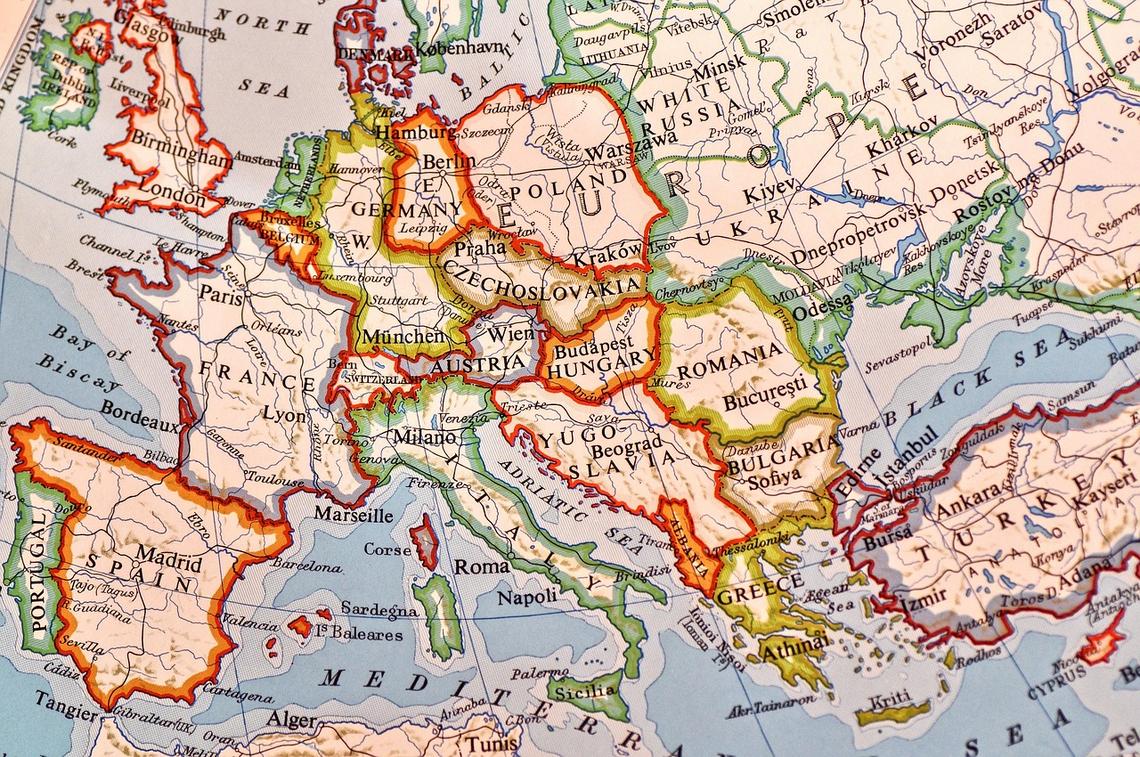
Politics and markets are intertwined (whether traders like it or not). Understanding the mechanics behind these shifts turns headlines into actionable insight.
Equities
Political leadership often determines which industries thrive. Increased defense budgets, for example, have historically lifted aerospace and military contractors, while renewable energy subsidies have boosted solar and wind companies. Conversely, new tariffs can hurt multinational manufacturers reliant on global supply chains. Investors who track policy proposals early can position themselves ahead of sector rotation. (Think of it as reading the script before the market reacts to the trailer.)
Bonds
During uncertainty, markets often trigger a “flight to safety.” Capital flows into government bonds issued by stable nations like the U.S. or Japan, pushing prices up and yields down. This dynamic directly affects borrowing costs and portfolio income strategies. For income-focused investors, recognizing these yield compressions can help refine duration exposure and reduce downside volatility.
Currencies (Forex)
A nation’s political stability is mirrored in its currency strength. Elections, policy reversals, or corruption scandals can increase volatility almost overnight. Traders assessing geopolitical risk in investing often monitor interest rate guidance and fiscal policy signals to anticipate forex swings.
Commodities
Regional conflicts or sanctions on major producers frequently disrupt supply chains. Oil prices surged after supply restrictions on key exporters, and grain prices have spiked amid agricultural trade bans. These moves ripple across global inflation trends, directly influencing diversified portfolios.
Staying alert to these features helps investors convert political noise into strategic advantage.
An Asia-Centric Lens: Market Analysis in a High-Stakes Region*
The Asia-Pacific region is not just a growth engine; it’s a geopolitical chessboard where policy, power, and capital intersect. For investors, understanding why markets move here is as important as knowing when.
Case Study 1: China’s Regulatory Landscape
China’s regulatory cycles often look abrupt from the outside. When Beijing tightened oversight on technology platforms in 2021, major equities saw sharp drawdowns (MSCI China Index fell over 20% that year, per MSCI data). Critics argue this unpredictability makes the market uninvestable. Yet that same intervention reshaped competitive dynamics, favoring compliant firms and state-backed innovators. Real estate deleveraging, while painful, redirected capital toward advanced manufacturing and green energy. The question isn’t whether regulation creates risk—it does—but whether you can price that risk accurately.
Case Study 2: South China Sea Tensions
Roughly one-third of global trade passes through the South China Sea (UNCTAD). Heightened tensions can:
- Increase maritime insurance premiums
- Boost regional defense budgets
- Create volatility in shipping and logistics stocks
Skeptics say markets “shrug off” saber-rattling. Sometimes they do (until they don’t). This is where geopolitical risk in investing becomes tangible, affecting freight rates and supply chains almost overnight.
Case Study 3: Indian Economic Reforms
India’s pro-growth reforms—digitization, infrastructure expansion, and production-linked incentives—have attracted record FDI inflows (World Bank). Political continuity reduces policy uncertainty, supporting equity valuations. Still, execution risks remain.
What’s next? Investors should connect these themes with broader global sector rotation strategies in changing economic cycles to anticipate capital flows before they become headlines.
Geographic Diversification means spreading capital across multiple countries so one election, sanction, or policy shock doesn’t sink everything (think Brexit’s sudden market swings). Start by:
- Reviewing your current country allocation.
- Capping any single nation at 30–40%.
- Adding exposure through regional ETFs.
Hedging with ETFs and Currencies offsets downside. If you expect volatility, pair equity positions with inverse ETFs or hold defensive currencies like the USD. This directly addresses geopolitical risk in investing.
Dynamic Monitoring is ongoing:
- Set weekly news check-ins.
- Follow central bank updates.
- Rebalance quarterly.
Pro tip: automate alerts to avoid emotional decisions. Stay disciplined during market noise consistently.
Building a Resilient, Geopolitically-Aware Investment Strategy
Let’s be clear: understanding political forces is no longer optional for serious investors. Some argue markets “price it in” instantly, so why worry? In theory, yes. In practice, shocks like Brexit or the 2022 invasion of Ukraine triggered sharp volatility before equilibrium returned (IMF, 2023). Ignoring geopolitical risk in investing leaves your capital exposed to predictable disruptions and unforced errors.
Here’s the shift:
- Identify political flashpoints.
- Assess asset sensitivity.
- Rebalance before consensus reacts.
By reviewing your portfolio through this lens, you can turn uncertainty into strategic advantage (and avoid unpleasant surprises).
You set out to better understand Asia-centric markets, global capital flows, and how to strengthen your portfolio in an increasingly volatile environment. Now you have a clearer view of the forces driving price action, the strategies that can improve trade execution, and the role geopolitical risk in investing plays in shaping real-world outcomes.
Markets across Asia move fast. Policy shifts, currency fluctuations, supply chain disruptions, and regional tensions can erode returns if you’re not prepared. Ignoring these variables isn’t just risky — it can be costly. But when you combine timely financial pulse updates with disciplined trading strategies and portfolio optimization, uncertainty becomes opportunity.
The next step is simple: put this insight into action. Review your current allocations, stress-test your exposure to regional volatility, and refine your strategy using data-driven market analysis.
Take Control of Your Trading Edge Today
If market volatility and cross-border uncertainty are putting pressure on your returns, now is the time to act. Access proven Asia-focused insights, strategic trade guidance, and portfolio optimization techniques trusted by serious investors worldwide. Don’t let uncertainty dictate your outcomes — start applying smarter strategies today and position your portfolio for stronger, more resilient performance.