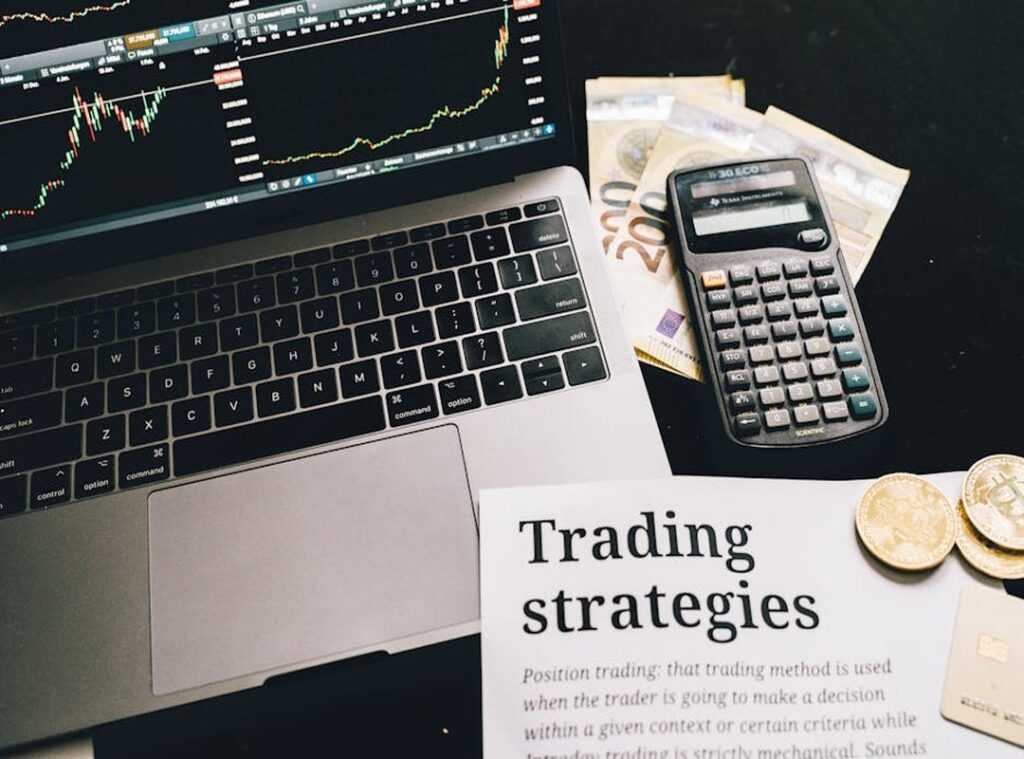

You’ve stared at your portfolio for ten minutes.
Again.
Should you tweak it? Or leave it alone and hope?
I’ve watched people panic-sell after a 2% dip.
And I’ve seen others ignore a 40% shift in their life goals. Then wonder why their money isn’t working for them.
This isn’t about market timing.
It’s about when to change investment plan dismoneyfied (based) on what actually changes in your life, not the news cycle.
I use this same system with clients who hate surprises. No hype. No guesswork.
Just clear triggers (like) a new kid, a job switch, or even just turning 50.
You’ll walk away knowing exactly when to act.
And more importantly (why) that moment matters.
No emotion. No noise. Just the next right step.
Life Changes That Break Your Portfolio
I used to think my investment plan was set in stone.
Then I got married. Then I had a kid. Then my dad got sick and I had to cut back at work.
None of those things came with a memo saying “Hey, your portfolio just stopped making sense.”
They should have.
Changes in family structure are the loudest alarm bell nobody hears. Marriage? You’re now managing two incomes, two debts, and possibly two retirement accounts.
Divorce? That’s not just emotional whiplash. It’s asset splits, tax shifts, and a full plan rewrite.
A newborn? Suddenly “retirement in 40 years” feels less urgent than “college in 18.” Your risk tolerance drops. Your time horizon stretches (but) your cash flow shrinks.
You don’t get a warning label on that diaper bag.
Job loss hits like a flatline on a heart monitor.
A promotion? Great. But if your bonus is now 60% of your income, your portfolio can’t stay static.
Starting a business? That’s not “more risk.” It’s all risk (and) your investments need to balance it. You wouldn’t drive the same way after losing your brakes.
So why invest the same way?
And then there’s the deadline.
You’re five years from retirement. Or you’re saving for a house down payment next year. That’s when you stop chasing growth and start guarding capital.
Volatility isn’t exciting anymore (it’s) dangerous.
This is exactly when to change investment plan dismoneyfied.
dismoneyfied isn’t some abstract concept. It’s what happens when your life moves (but) your money stays still.
I’ve watched people ride the same aggressive portfolio into retirement and panic when the market dips six months before they quit. Don’t be that person.
Your portfolio isn’t a museum exhibit. It’s a tool. Tools get adjusted.
Rebalancing vs. Reacting: Don’t Move Just Because the Market
I sold everything in 2020. March. Panic.
Felt smart for two days.
Then I watched my cash sit while markets bounced back (and) kept going.
That wasn’t rebalancing. That was reacting.
There’s a real difference. One protects your plan. The other breaks it.
Asset Allocation Drift is what happens when you don’t act. But still drift off course.
Say your target is 60% stocks / 40% bonds. Stocks surge. You’re now at 72/28.
You didn’t change anything. But your risk level just jumped.
You didn’t choose that extra risk. It just… happened.
Strategic rebalancing fixes that.
It means selling some of what went up (yes, even when it feels weird) and buying more of what lagged.
That’s not timing the market. It’s enforcing your own rules.
It’s literally selling high and buying low (on) autopilot.
So when do you actually do it?
Not every time the S&P dips 2%. Not after every headline.
I use a simple rule: check once a year. Or if any bucket moves more than 5 percentage points from target.
Some people go to 10%. I think that’s lazy. And risky.
Does that mean you ignore big shifts? No. But you ask first: Is this drift (or) did my life actually change?
Did you get laid off? Buy a house? Have a kid?
Then yes (revisit) your whole plan.
But if nothing changed except stock prices? Stick to the plan.
That’s how you avoid turning volatility into permanent loss.
The real question isn’t can you change your plan.
I covered this topic over in Dismoneyfied financial guide from diquantified.
It’s when to change investment plan dismoneyfied (and) whether you’re doing it for discipline or desperation.
Rebalancing isn’t exciting. It won’t trend on X. But it works.
And it beats regret.
Subtle Shifts: Why You Change Plan Without Realizing It

I changed my portfolio last year. Not because I got married or bought a house. Not because the market crashed.
Because my stomach flipped every time I checked my bond fund.
That’s personal risk tolerance. It shifts. Slowly.
Slowly. You don’t need a crisis to feel less comfortable with volatility. You just get older.
Or you watch a friend lose money. Or you pay off debt and suddenly care more about preserving than growing.
Does that mean you should ditch stocks? No. But it does mean your old 80/20 split might now feel like 60/40.
And that’s fine. Honest. Necessary.
Interest rates stayed low for over a decade. Then they didn’t. Overnight, bonds stopped acting like safe parking spots.
Growth stocks got hammered. That’s not noise. That’s a structural shift.
You can’t ignore it and pretend your old plan still fits.
You’re not supposed to chase returns. But you are supposed to notice when the ground moves under your feet.
My 401(k) added three new index ETFs last quarter. Same exposure. One-third the fee.
I swapped in five minutes. Saved $2,400 over ten years. That’s not flashy.
It’s just smart.
When you’re asking when to change investment plan dismoneyfied, start here (not) with headlines, but with your gut, your bills, and your plan’s fine print.
The dismoneyfied financial guide from diquantified walks through exactly how to spot these quiet triggers.
Most people wait for fireworks. I stopped waiting. You should too.
Your Annual Investment Check-Up: Four Steps That Actually Work
I do this every January. No fanfare. Just me, a spreadsheet, and ten minutes.
Step one: Revisit your goals. Are you still saving for that house? Did the kid’s college fund timeline shift?
If your life changed, your money plan better change too.
Step two: Check your allocation. Did stocks boom and push you 10% over target? Rebalance now (not) when it feels urgent.
Step three: Review your holdings. Is that fund still cheap? Still beating its benchmark?
If not, swap it. Don’t wait for “the right time.”
Step four: Confirm your risk profile. Does your portfolio keep you up at night? Then it’s too aggressive.
Full stop.
You’ll know when to change investment plan dismoneyfied when your gut and your numbers disagree.
Stuck on where to begin? Start simple. What investment should i start with dismoneyfied walks you through the first real move.
Stop Waiting for Permission to Act
I know that feeling. That nagging question: when to change investment plan dismoneyfied. You check the news.
You watch the market dip. You wonder if now is the time.
It’s not.
Successful investing isn’t about timing the market. It’s about timing your life. Your job change.
Your kid’s tuition. Your retirement date. Those are the real triggers.
The annual check-up system? It works. No guesswork.
No panic. Just one clear day each year to review, rebalance, and reset.
You don’t need a crisis to start.
You just need five minutes.
Open your calendar right now. Schedule your first annual investment review. Do it before you close this tab.
Most people wait until they’re stressed or scared.
You won’t.
 Ask Gary Pacheconolo how they got into financial pulse and you'll probably get a longer answer than you expected. The short version: Gary started doing it, got genuinely hooked, and at some point realized they had accumulated enough hard-won knowledge that it would be a waste not to share it. So they started writing.
What makes Gary worth reading is that they skips the obvious stuff. Nobody needs another surface-level take on Financial Pulse, Global Investment Insights, Expert Breakdowns. What readers actually want is the nuance — the part that only becomes clear after you've made a few mistakes and figured out why. That's the territory Gary operates in. The writing is direct, occasionally blunt, and always built around what's actually true rather than what sounds good in an article. They has little patience for filler, which means they's pieces tend to be denser with real information than the average post on the same subject.
Gary doesn't write to impress anyone. They writes because they has things to say that they genuinely thinks people should hear. That motivation — basic as it sounds — produces something noticeably different from content written for clicks or word count. Readers pick up on it. The comments on Gary's work tend to reflect that.
Ask Gary Pacheconolo how they got into financial pulse and you'll probably get a longer answer than you expected. The short version: Gary started doing it, got genuinely hooked, and at some point realized they had accumulated enough hard-won knowledge that it would be a waste not to share it. So they started writing.
What makes Gary worth reading is that they skips the obvious stuff. Nobody needs another surface-level take on Financial Pulse, Global Investment Insights, Expert Breakdowns. What readers actually want is the nuance — the part that only becomes clear after you've made a few mistakes and figured out why. That's the territory Gary operates in. The writing is direct, occasionally blunt, and always built around what's actually true rather than what sounds good in an article. They has little patience for filler, which means they's pieces tend to be denser with real information than the average post on the same subject.
Gary doesn't write to impress anyone. They writes because they has things to say that they genuinely thinks people should hear. That motivation — basic as it sounds — produces something noticeably different from content written for clicks or word count. Readers pick up on it. The comments on Gary's work tend to reflect that.