
Global markets are shifting faster than ever, and investors searching for clarity need more than headlines—they need actionable insight. This article is designed to meet that need by breaking down the latest financial pulse updates, trading strategies, and Asia-centric market movements that are shaping today’s investment landscape. Whether you’re refining your portfolio or exploring new global opportunities, you’ll find clear analysis focused on what matters most right now.
We combine real-time market monitoring with disciplined strategy evaluation to highlight where capital is flowing, how regional dynamics in Asia are influencing global trends, and what that means for risk management and growth. Special attention is given to portfolio optimization techniques, including the strategic role of commodities in asset allocation, to help investors balance volatility with opportunity.
Expect concise insights, data-driven perspectives, and practical takeaways designed to help you make informed, confident investment decisions in an increasingly interconnected world.
Market swings used to keep me up at night. In 2022, when stocks and bonds fell together, my “balanced” portfolio felt anything but. That was my wake-up call
Relying only on equities and fixed income in an era of inflation and geopolitical shocks is RISKY. Correlation—assets moving in the same direction—can erode diversification
Here’s what changed
- I studied gold’s performance during inflation spikes (World Gold Council data shows gold often rises during CPI periods)
- I added energy and agricultural exposure through commodity funds
- I rebalanced quarterly
Use commodities in asset allocation to build resilience beyond traditional markets
The Core Benefits: Why Commodities Belong in Your Asset Mix
First, let’s talk about inflation. When the purchasing power of money falls, hard assets like gold, oil, and copper often rise. That’s not superstition; it’s supply and demand. During the 1970s inflation spike, for example, gold prices surged as consumer prices climbed (World Gold Council data). In my view, that’s why commodities act as a practical hedge. They’re tangible, finite, and globally priced—unlike paper currency, which can be printed at will.
However, some investors argue inflation hedging is overrated because stocks “outperform over time.” Fair point. Yet during short, painful inflation bursts, equities can struggle while raw materials rally. That cushion matters.
Then there’s true diversification. Commodity prices move on weather shocks, OPEC decisions, and geopolitical tensions—very different drivers than corporate earnings or interest rates. Because of this low correlation, commodities in asset allocation can reduce overall volatility (Morningstar research). Think of it as assembling the Avengers, not a solo hero portfolio.
Finally, commodities are a direct play on global growth. As emerging Asia urbanizes, demand for copper, steel inputs, and energy rises. I see that structural demand as a long-term engine. For deeper context, explore broader market insights. Pro tip: focus on diversified exposure, not single-commodity bets.
A Global Guide to Key Commodity Categories
Commodities are more than ticker symbols scrolling across a screen—they’re the raw materials shaping economies. When you understand how each category behaves, you gain clearer signals about inflation, growth, and global demand cycles. In other words, you’re not just watching markets; you’re reading the world.
-
Precious Metals (Gold, Silver)
Gold and silver are often called safe-haven assets—investments investors flock to during uncertainty to preserve wealth. When inflation rises or geopolitical tensions flare, gold prices often respond (World Gold Council). Yet silver isn’t just a vault favorite; it’s widely used in electronics and solar panels. That dual role means you benefit from both defensive stability and industrial upside. -
Industrial Metals (Copper, Aluminum)
Copper is sometimes nicknamed “Dr. Copper” because it diagnoses economic health. Its demand rises with construction, manufacturing, and especially electric vehicles and renewable infrastructure (International Energy Agency). Meanwhile, aluminum supports transportation and packaging. Growth in China and India continues to anchor long-term demand. Positioning here gives you exposure to urbanization and the green transition. -
Energy (Crude Oil, Natural Gas)
Energy markets react quickly to geopolitical disruptions and shifts in global output. At the same time, the energy transition boosts demand for metals used in renewables—even as oil and gas remain essential. This balance can create strategic entry points. -
Agriculture (Wheat, Soybeans, Palm Oil)
These “soft commodities” depend heavily on weather, population growth, and dietary changes across developing Asia (FAO). Consequently, supply shocks can move prices fast.
Use commodities in asset allocation to diversify risk, hedge inflation, and tap into structural global trends (pro tip: monitor macro data alongside weather and policy updates).
Practical Pathways: How to Add Commodities to Your Portfolio
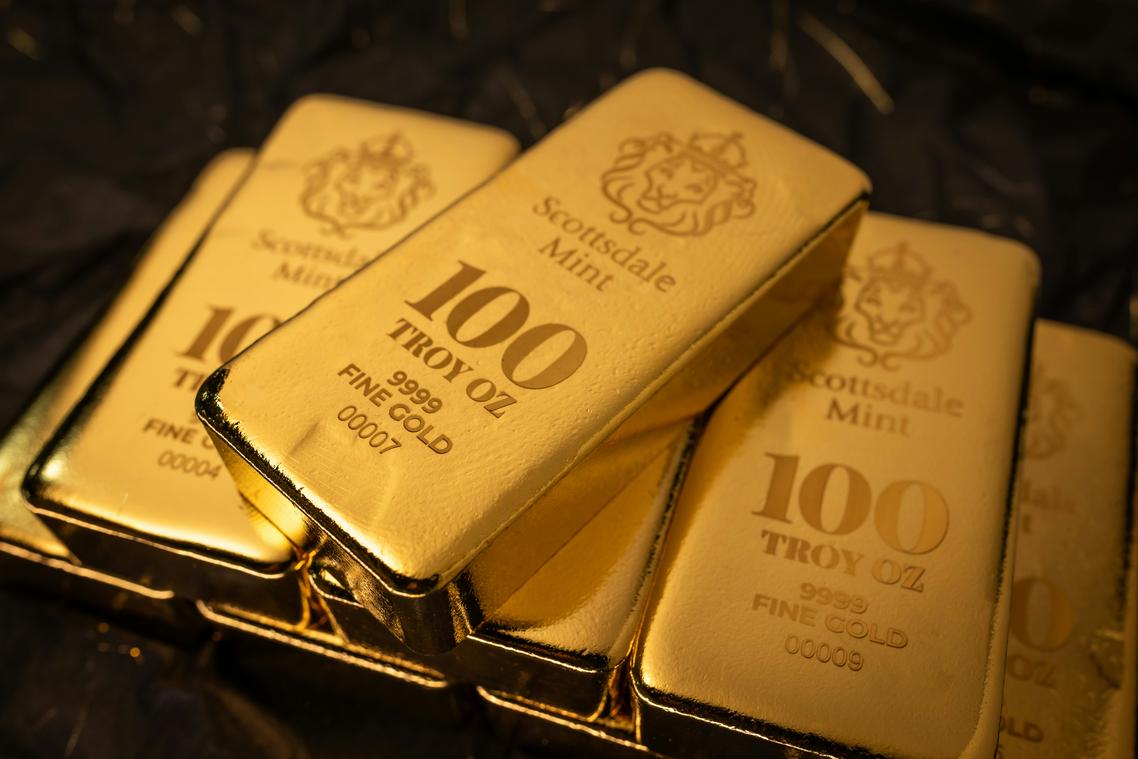
Adding commodities to your portfolio does not require storing barrels of oil in your garage (tempting as that sounds). In fact, the easiest entry point for most investors is through commodity ETFs and ETNs. These exchange-traded products bundle a basket of assets—such as energy, metals, or agriculture—into a single security. The benefit is simple: instant diversification, liquidity, and low operational hassle. Instead of handling futures contracts, you click “buy” like you would for any stock.
Another route is investing in commodity-producing companies. Think mining firms, oil majors, or large-scale agricultural businesses. Here, you gain exposure to price movements while also tapping into potential dividend income. The upside? Corporate growth and operational efficiency can amplify returns. The trade-off is company-specific risk, since management decisions and balance sheets matter.
For more experienced traders, futures and options contracts offer direct exposure with leverage. Leverage means controlling a large contract value with a smaller upfront deposit. This can magnify gains—yet it can just as quickly magnify losses. Consequently, these tools demand discipline and risk controls.
Finally, you can buy physical assets like gold bullion. While tangible ownership feels secure, storage, insurance, and resale spreads reduce convenience and liquidity.
Ultimately, commodities in asset allocation can hedge inflation, diversify risk, and broaden global exposure. For deeper context on global positioning, explore emerging markets vs developed markets key investment differences. This clarity helps you align strategy with goals and risk tolerance while pursuing steadier long-term portfolio growth sustainably.
Strategic Allocation: Finding the Right Balance
In Asian markets—where gold demand in India and oil exposure in Malaysia can swing sentiment quickly—the 5–10% rule is a practical starting point. Many planners suggest allocating 5% to 10% of a portfolio to commodities for diversification. Still, critics argue equities alone outperform long term. Fair—but during inflation spikes (think 2022 CPI surges, World Bank data), commodities often hedge volatility.
Before adjusting, assess risk tolerance, time horizon, and goals. A retiree in Singapore may allocate differently than a Jakarta-based trader.
| Investor Type | Suggested Range |
|—————|—————–|
| Conservative | 5% |
| Moderate | 7% |
| Aggressive | 10% |
Use commodities in asset allocation thoughtfully, and rebalance quarterly (pro tip). For deeper strategy insights, visit https://ftasiatrading.com.
Building a resilient portfolio isn’t optional anymore; it’s proactive risk management. Markets swing, inflation erodes purchasing power, and concentrated portfolios crack under pressure. In my view, ignoring that reality is wishful thinking. Instead, Use commodities in asset allocation in the section once exactly as it is given. Think of commodities as raw materials—energy, metals, agriculture—that often move differently than stocks and bonds.
Now, take action:
- Assess your current diversification.
- Determine your risk tolerance.
- Research a suitable commodity ETF.
- Start small and scale deliberately.
That disciplined approach builds durability across unpredictable economic cycles and volatile market regimes.
Position Your Portfolio for Smarter Growth
You came here looking for clarity in uncertain markets — and now you have a clearer view of how global trends, Asia-centric signals, and disciplined strategy shape stronger investment outcomes. The volatility, mixed economic data, and shifting capital flows that once felt overwhelming can now be approached with structure and confidence.
The real risk was never market movement — it was operating without a plan. By applying tactical diversification, monitoring regional momentum, and understanding the role of commodities in asset allocation, you reduce exposure to unnecessary shocks while positioning for sustainable upside.
Now it’s time to act.
If market swings, inflation pressure, or portfolio underperformance have been holding you back, don’t wait for clarity to magically appear. Build a strategy grounded in real-time financial pulse updates, tested trading frameworks, and globally informed insights.
Take the next step today — review your portfolio, rebalance with intention, and implement data-driven adjustments. Proven strategies, trusted by active traders and long-term investors alike, can help you turn uncertainty into opportunity.
The markets won’t pause. Your advantage comes from moving with preparation and precision.