
The Analyst’s Cornerstone: Correlation vs. Causation
Let’s start with a definition. Correlation means two variables move in a related pattern—positive (they rise together), negative (one rises while the other falls), or zero (no consistent relationship). What it doesn’t mean is that one causes the other. That leap? That’s where analysts get into trouble.
Consider a classic example: ice cream sales and drowning incidents both rise in summer. Ice cream doesn’t cause drownings (despite what a dramatic Netflix documentary might imply). The third variable—heat—drives both. This is the textbook reminder that patterns can mislead.
Now, shift to markets. Rising oil prices often coincide with falling airline stocks. At first glance, it seems causal: higher fuel costs hurt profits. Fair. But it’s not the whole story. Airlines hedge fuel, adjust ticket prices, and respond to demand cycles and macroeconomic signals. In other words, oil isn’t the puppet master pulling every string.
Some argue that correlation analysis in investing is enough to build profitable models. After all, if two assets move together consistently, why overthink it? Here’s the counterpoint: markets are influenced by layered variables—policy shifts, consumer sentiment, geopolitics. Mistaking correlation for causation can produce fragile strategies (and painful surprises).
The takeaway? Spot patterns—but question the why behind them.
Mapping Key Relationships in Global Investing
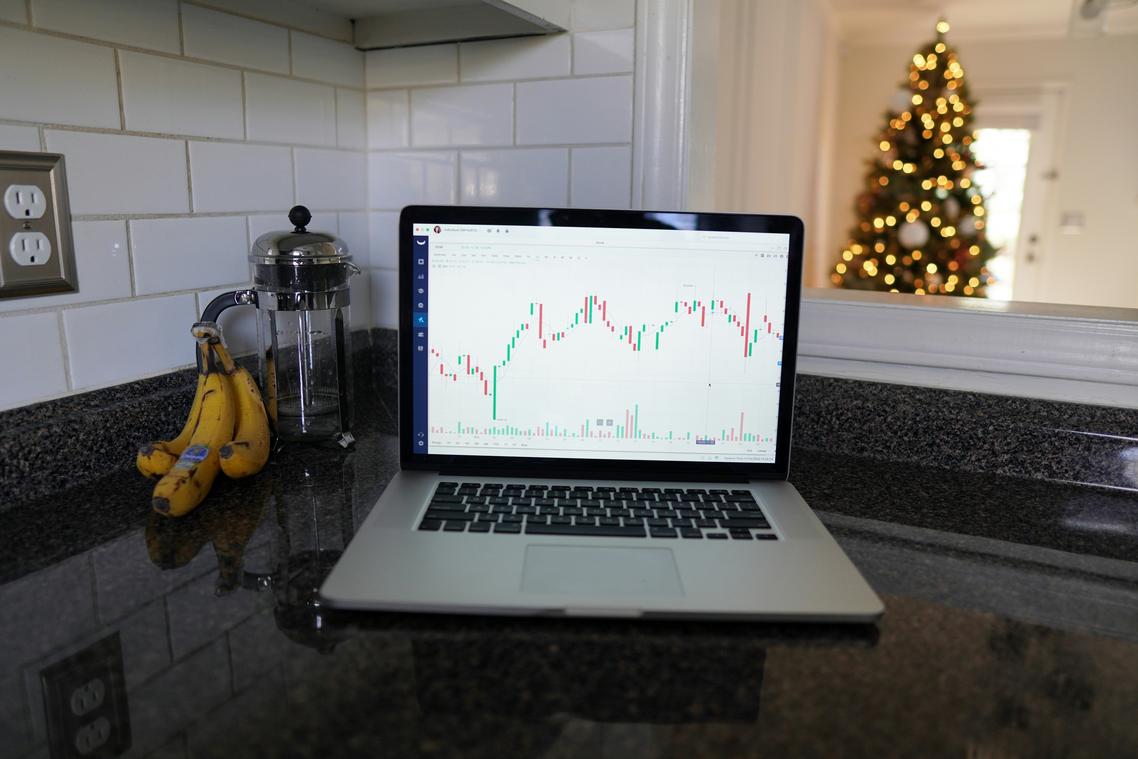
Global markets are really just a web of cause and effect. Pull one string, and something else moves—sometimes in Tokyo, sometimes in New York.
Interest Rates and Equity Valuations. There’s typically an inverse relationship here: when interest rates rise, stock valuations tend to fall. Why? Because higher rates increase the discount rate—the rate used in models like the Discounted Cash Flow (DCF) to calculate what future earnings are worth today. The higher the discount rate, the less valuable those future cash flows become. In my view, investors often underestimate how quickly sentiment shifts once central banks turn hawkish (it’s like markets suddenly remember math). The Federal Reserve has repeatedly shown that aggressive rate hikes compress equity multiples (Federal Reserve data).
Currency Strength and Emerging Markets. A strong U.S. dollar can strain emerging markets, especially those with dollar-denominated debt. When the USD rises, servicing that debt becomes more expensive in local currency terms, often triggering capital outflows. I’ve seen this pattern play out across parts of Asia during tightening cycles. It’s not always catastrophic—but it’s rarely comfortable. The IMF has documented these pressures during past dollar surges.
Commodity Prices and Economic Health. Copper—often nicknamed “Dr. Copper”—is considered a bellwether (an indicator that signals broader trends). Rising copper prices frequently suggest industrial expansion because copper is used in construction, electronics, and infrastructure. Personally, I watch copper before headline GDP prints. Markets move on whispers, not reports.
Inflation and Bond Yields. This relationship is direct: higher inflation typically leads to higher bond yields. Investors demand greater returns to offset inflation’s erosion of purchasing power (U.S. Treasury data). Ignoring this link is like ignoring gravity.
From Data Points to a Cohesive Market View
Markets don’t move in isolation. Every price shift, every spike in volatility, every sector rotation is connected to something else beneath the surface.
You came here to move beyond scattered data points and build a clearer, more unified market perspective. Now you understand how investment variables interact—and why looking at one metric alone can lead to costly blind spots.
The real risk isn’t missing information. It’s analyzing it in a vacuum.
When you recognize that markets are a web of interconnected forces, your strategy becomes stronger. A framework rooted in correlation analysis in investing helps you anticipate shifts, manage risk proactively, and build a portfolio that can withstand changing conditions. It’s not reactive. It’s predictive and resilient.
Now it’s your move.
Choose two assets in your portfolio today. Use a simple scatter plot or correlation tool to see how they truly move together. If you’re serious about reducing hidden risk and making smarter allocation decisions, start applying this approach now—and turn scattered data into a strategy that works.